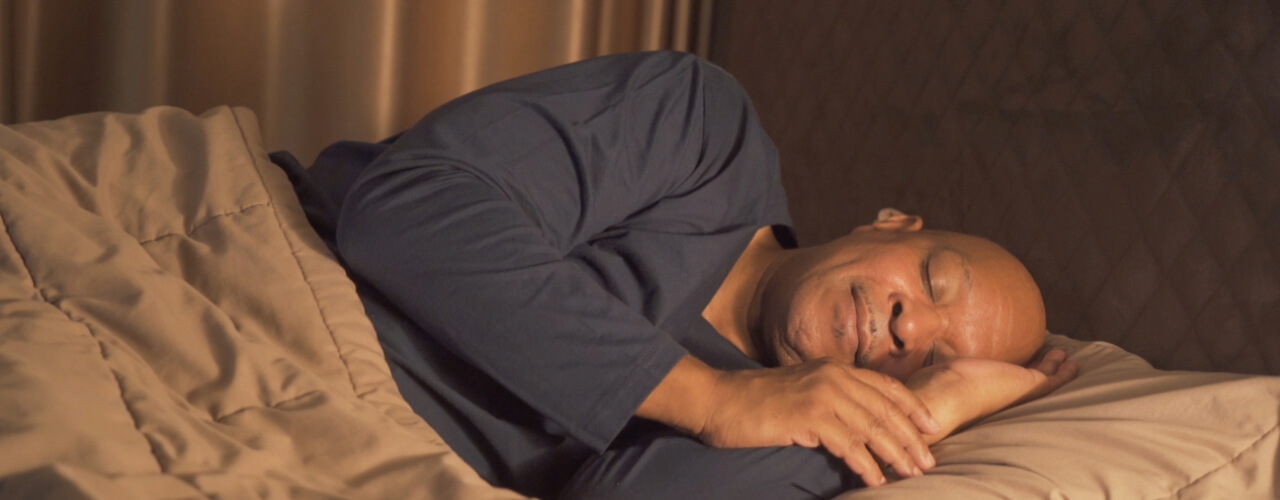
Back pain and sleep share a complicated relationship. Poor sleep can worsen back pain by increasing inflammation and reducing the body’s ability to heal. Meanwhile, back pain can make it difficult to find a comfortable sleeping position, leading to restless nights and low energy during the day.
This cycle can feel overwhelming, but there’s hope. You can improve your rest and reduce discomfort by focusing on evidence-based solutions for back pain and sleep.
Understanding the Sleep-Back Pain Connection
Sleep is essential for recovery. During deep sleep stages, the body repairs tissues, reduces inflammation and rejuvenates muscles and joints. When sleep is interrupted, these processes are compromised, often leading to heightened pain sensitivity and slower recovery.
Back pain complicates this process further. Discomfort can make it hard to fall asleep, keep you awake at night, or force you to wake up stiff and sore. Addressing both sleep quality and back pain is essential to break this cycle and restore comfort.
Evidence-Based Recommendations for Sleeping Positions
Finding the right sleeping position can significantly impact both back pain and sleep quality. Current research suggests the following:
Side sleeping:
- This is one of the most commonly recommended positions. Keeping the spine neutral with a pillow between your knees can reduce lower back pain for many individuals. However, its effectiveness depends on individual spinal alignment and specific back conditions.
Back sleeping:
- Lying on your back helps distribute body weight evenly, reducing pressure points and promoting stability. Adding a pillow under the knees can further support the natural curve of the spine. Comfort is key—if this position feels good, it may be ideal for you.
Stomach sleeping:
- While generally less favorable due to potential spine misalignment, it is not conclusively harmful. For those who find this position comfortable, using a thin pillow under the hips or none at all can help maintain alignment. The priority is finding a position that feels good and allows for uninterrupted rest.
Choosing the Right Sleep Surface and Pillow
Your mattress and pillow play a significant role in supporting your back and improving sleep quality.
Medium-firm mattresses:
- Research often supports medium-firm mattresses for promoting spinal alignment and reducing back pain. These provide enough support to keep the spine neutral while allowing some contouring for comfort.
Firm mattresses:
- While firm mattresses may work for some, they can lack the flexibility needed to conform to the body’s natural curves, potentially leading to discomfort for others.
Pillows:
- Maintaining the natural curve of the neck and spine is crucial. Side sleepers often need a thicker pillow to fill the gap between their head and mattress, while back sleepers may benefit from a thinner pillow to keep the head aligned with the spine.
The ideal combination of mattress and pillow varies based on individual preferences and specific back conditions. Personal comfort should guide these decisions.
Pre-Sleep Practices for Better Rest
What you do before bed can set the tone for a restful night and minimize back pain. Try these evidence-based strategies:
Gentle stretching:
- Engaging in light stretches can reduce muscle tension and improve flexibility, preparing your back for rest.
Relaxation techniques:
- Practices like deep breathing or progressive muscle relaxation can lower stress levels and help you wind down.
Limit screen time:
- Avoid using electronic devices close to bedtime to reduce exposure to blue light, which can interfere with your sleep cycle.
Optimize your sleep environment:
- Create a quiet, dark, and cool sleeping space to minimize distractions and promote deeper rest.
Incorporating these habits into your nightly routine can make a noticeable difference in both back pain and sleep quality.
The Role of Daily Exercise in Pain Management
Daily movement plays a critical role in reducing back pain and improving sleep. Physical activity strengthens the muscles that support the spine, improves flexibility, and enhances circulation—all of which contribute to less discomfort and better rest.
Focus on low-impact exercises that target mobility and strengthening the core and back muscles. Consistency is key, as regular movement builds the foundation for long-term improvements in both pain management and sleep quality.
How SportsCare Physical Therapy Can Help
At SportsCare Physical Therapy, we understand the intertwined nature of back pain and sleep. Our experienced therapists provide the following:
Comprehensive evaluations:
- We assess posture, daily habits, and sleep environments to uncover factors contributing to back pain.
Personalized treatment plans:
- Tailored exercises and techniques address specific pain points and support better rest.
Patient education:
- From choosing the right sleeping position to developing a pre-sleep routine, we empower patients to take charge of their recovery.
With the right guidance, relief from back pain and improved sleep are within reach!